Does Seattle Rain Actually Change How Often You Should Clean?

There's a specific week in Seattle, usually somewhere in early October, when the light changes and the rain stops being an event and starts being the weather. From that week until roughly March, your home stops airing itself out. Windows stay shut. Wet coats come inside. Boots come inside. Laundry takes two days to dry. And every bit of moisture that used to escape through an open window now stays put, looking for a cold surface to land on.
That's the whole story of a Pacific Northwest winter home, and it's why fall cleaning matters more here than spring cleaning does. Spring cleaning is cosmetic. Fall cleaning is preventive. The work you do in September decides whether you spend February scrubbing black spots off a window sill or not.
Here's what actually needs attention before the wet season sets in, in the order we'd tackle it.
1. Window Tracks, Sills and Frames
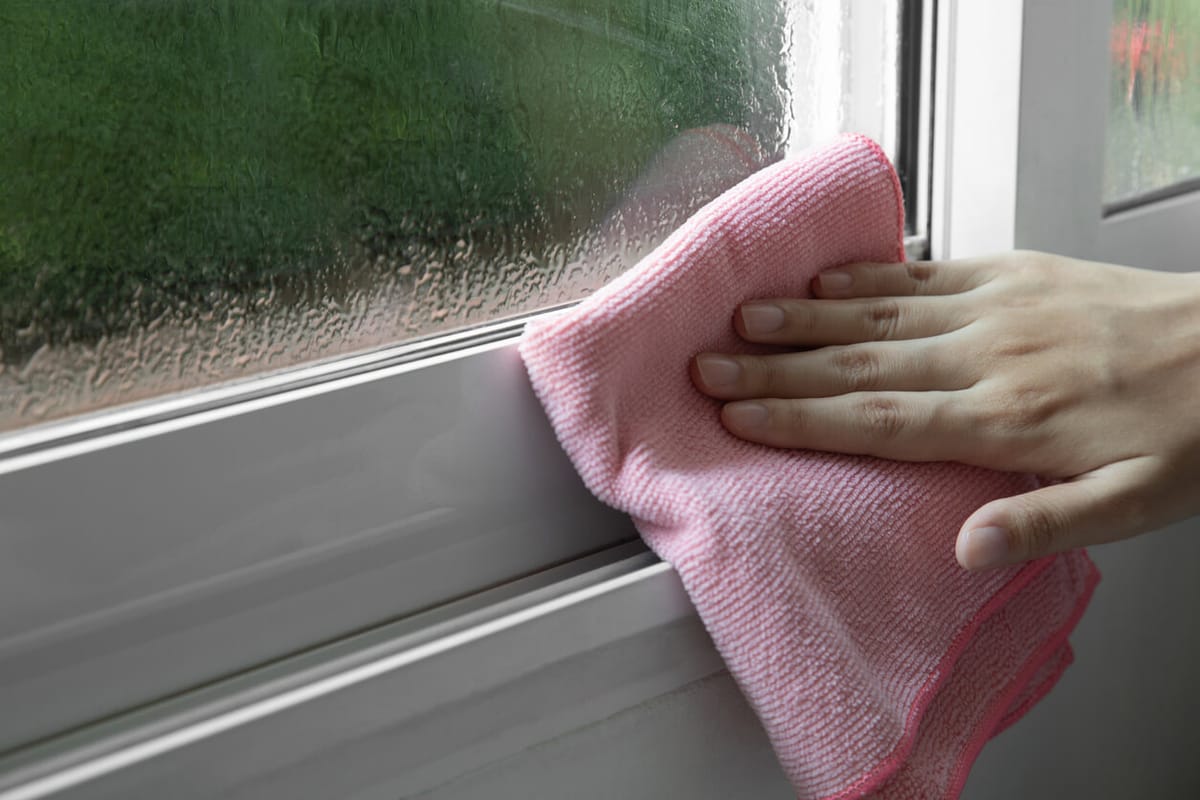
This is the number one thing people skip and the number one place winter damage shows up. Here's the mechanism: warm, humid indoor air hits cold glass and condenses. That water runs down and pools in the track at the bottom of the window. If the track is clean and dry, it evaporates or drains. If the track has a winter's worth of dust, pollen and lint in it, that debris holds the water against the frame like a sponge, and you get mildew, then staining, then in older homes, rot.
Seattle's housing stock makes this worse than average. A lot of the city is Craftsman bungalows and 1920s–1950s builds with original or early-replacement windows, and those are exactly the windows that sweat the most.
Do this now: vacuum every track with a crevice tool, then wipe with a damp cloth and dry it fully. Check the weep holes on vinyl and aluminum frames - the small drainage slots on the exterior lip. If they're blocked, water has nowhere to go. A wooden skewer clears them in seconds.
2. Bathroom Exhaust Fans
Your bathroom fan is the single most important mold-prevention device in a Seattle home, and it's almost certainly filthy. The grille collects a felt of dust and lint that chokes airflow, and a fan moving half its rated air leaves your bathroom humid for an hour after every shower instead of ten minutes.
Do this now: switch off the circuit, pull the grille down (most unclip with two spring wires), wash it in the sink, and vacuum the fan housing and blades. While you're there, check that it's actually pulling air - hold a square of toilet paper to the grille with the fan running. If it doesn't stick, the fan is failing or the duct is blocked, and that's worth a call to an electrician before winter, not during it.
Then change the habit: run the fan for a full 20 minutes after the shower ends, not just during. That single change does more for winter mold than any product you can buy.
3. Grout, Caulk and Shower Corners
Grout is porous. Once mildew has rooted into it, you're managing it, not removing it. The window to get ahead of that is now, while the bathroom still dries out quickly between uses.
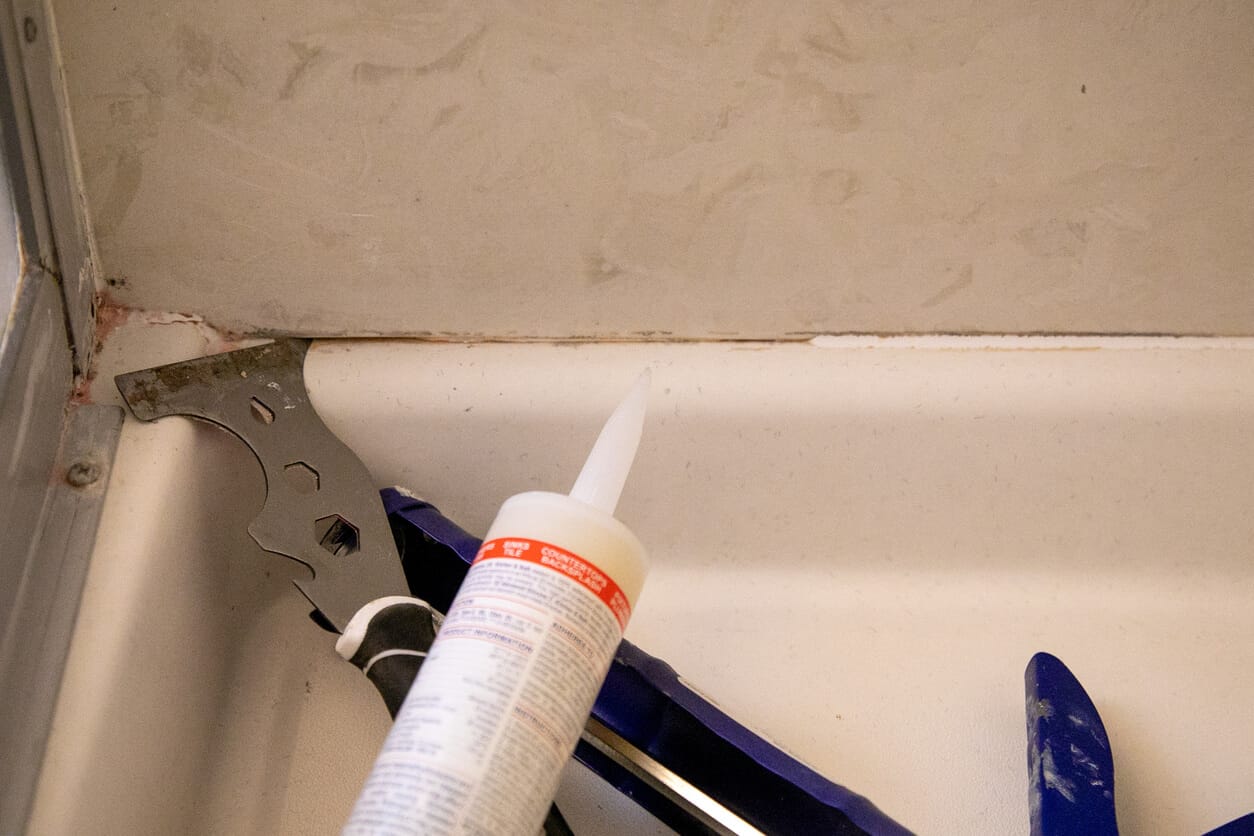
Do this now: deep clean the grout lines in the shower and around the tub, and inspect the caulk seam where the tub or shower pan meets the wall. If the caulk is cracked, lifting, or already spotted gray-black, cut it out and re-caulk. Cleaning over failed caulk accomplishes nothing - the moisture is getting behind it.
This is one of the tasks people most often hand off, and it's a standard part of a deep cleaning service, along with the tile, fixtures and glass that build up film over a summer.
4. The Entryway - Build a Real Wet Zone
Between October and March, your front door is the main source of dirt in the house. Rain carries street grit, oil and organic matter, and shoes bring it in and grind it into the first ten feet of flooring. Anyone with a dog is dealing with the same problem four times a day, at knee height.
Do this now: deep clean the entry floor before the season starts so you're maintaining a clean surface rather than fighting an accumulated one. Then set up the system: a coarse scraper mat outside, an absorbent mat inside, a boot tray with a lip that actually holds water, and hooks low enough for wet coats to hang without touching the wall. Wet wool against drywall for a whole winter leaves a mark.
If you have pets, the same corner should hold a towel for paws. here's more about managing that in this guide to pet friendly house cleaning in Seattle.
5. Closets, Corners and Anything Against an Exterior Wall
Mold doesn't start in the middle of a room. It starts where cold surface meets still air: the back wall of a closet on the north side of the house, the corner behind a sofa pushed flat against an outside wall, under a bed on a ground floor, behind a headboard. These spots are cold, they get no air movement, and nobody looks at them until something smells.
Do this now: pull furniture away from exterior walls and vacuum and wipe behind it. Empty the bottom of closets, vacuum the floor and back wall, and leave a hand's width of air between hanging clothes and the wall. Where you can, leave closet doors ajar in winter - air movement is free and it works.
If you find anything fuzzy or discolored, deal with it now while it's the size of a coin.
6. Filters and Air Movement
Whatever you use to heat and move air - forced air furnace, heat pump, ductless mini-split, standalone dehumidifier - has a filter, and it's about to run continuously for six months. A loaded filter reduces airflow, which reduces both heating efficiency and the drying effect that airflow gives you.
Do this now: replace furnace filters, wash the mesh filters in mini-split heads (they slide out from the front panel and rinse in the sink), and vacuum floor and wall registers. If you run a dehumidifier, clean the bucket and coils before the first run. Sitting all summer, they grow things.
7. Everything That's Been Absorbing All Summer
Soft surfaces hold the season. Carpets and rugs are full of summer dust and pollen, upholstery has taken a season of open windows, and curtains and blinds have collected a film that will be locked in until spring once the windows shut.
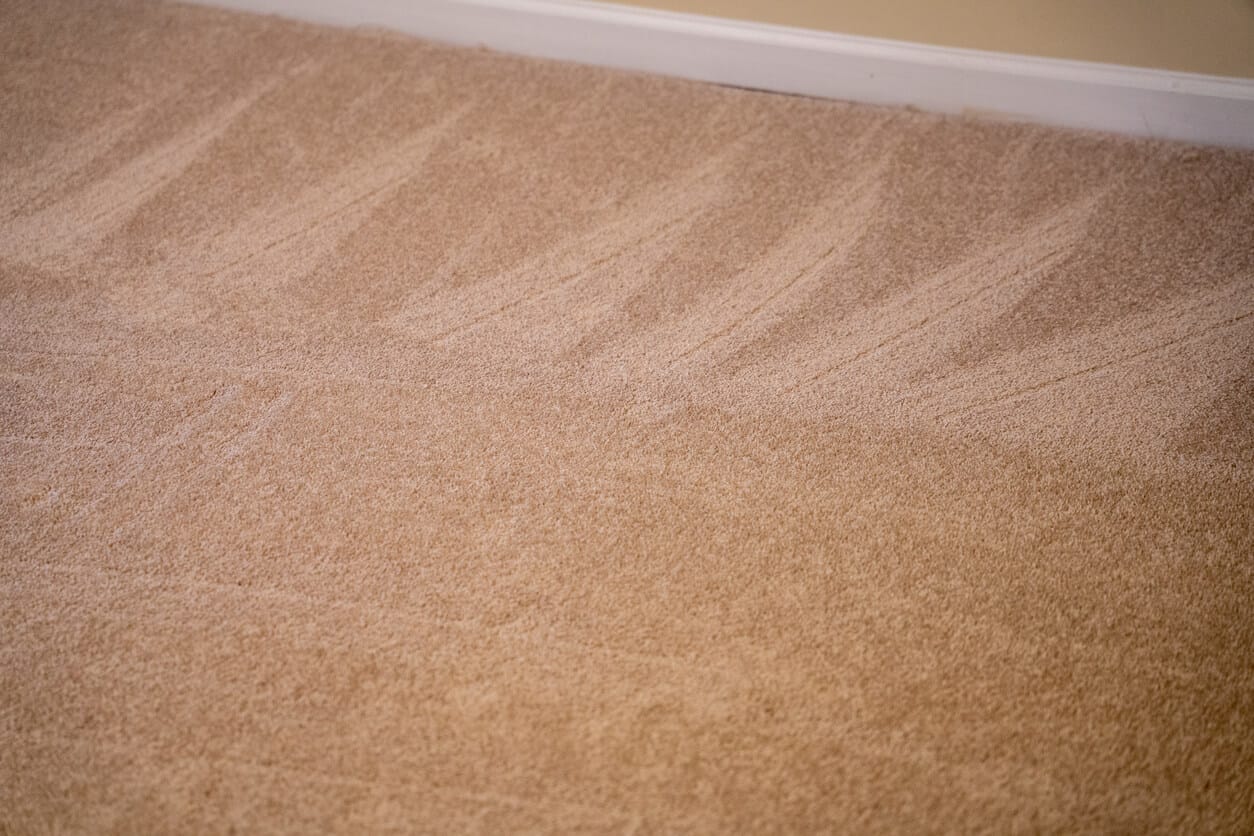
Do this now: vacuum carpets and rugs slowly and in two directions, wash or dry-clean curtains, wipe blinds, vacuum upholstery including under the cushions, and wash throws and pet bedding. This is the fall equivalent of a reset, and it's worth doing properly once rather than half-heartedly four times.
Does Seattle Rain Actually Change How Often You Should Clean?
In our experience, yes - noticeably. Homes that run on a monthly schedule through the summer often move to bi-weekly between October and March, simply because more dirt is arriving and less of it is leaving. Entryways, floors and bathrooms carry the difference.
It isn't only about mess. Consistency is what keeps mildew from getting a foothold, because someone is looking at the shower corners and window sills every two weeks instead of every eight. That's the real argument for a recurring cleaning schedule in a wet climate - it isn't a luxury, it's maintenance.
A common pattern that works well: one deep clean in September to reset the house, then recurring visits through the winter to hold it. That combination costs less over the season than a single heavy restoration clean in March, and the house is actually pleasant to live in the whole time.
What About Moss, Gutters and the Outside?
Worth flagging, even though it's outside the scope of a cleaning visit. Blocked gutters overflow against the siding, which soaks the wall, which shows up as damp indoors. Moss on the roof holds water on the shingles. Clogged downspouts pool water beside the foundation, which is how crawl spaces get wet, which is how the whole house gets humid.
Get gutters cleared before the leaves finish falling, and take a walk around the house on the first hard rain to check that water is going where it's supposed to. Interior cleaning can't fix a drainage problem - and if your indoor humidity stays stubbornly high no matter what you do, that's usually where the answer is.
A Realistic Timeline
- Early September: exhaust fans, filters, gutters booked, window tracks and weep holes.
- Mid September: grout and caulk, closets and exterior walls, behind furniture.
- Late September: the full reset - carpets, upholstery, curtains, entryway floor. This is the natural point for a deep clean if you're bringing someone in.
- First week of October: mats, boot trays, hooks and towels in place before you need them.
Frequently Asked Questions
When does Seattle's rainy season actually start?
Rainfall climbs sharply through October and stays high until around March. Late September is the practical deadline for prep work, because you want it done before windows close for good.
Why do my windows get so wet in winter?
Warm indoor air holds more moisture than cold air. When it touches cold glass, that moisture condenses out. Cooking, showering and drying laundry indoors all add to it. Running exhaust fans, keeping tracks clean and moving a little air are what keep it manageable.
How do I stop mold from coming back in the bathroom?
Airflow and drying time, more than product choice. Run the fan for 20 minutes after showering, squeegee the shower glass and walls, keep the door open between uses, and re-caulk any seam that's failing. Cleaning alone won't hold if the room stays wet.
Is a deep clean worth it before winter?
It's the most useful time of year for one. A deep clean gets into the grout, tracks, corners and soft surfaces that ordinary weekly tidying never reaches, and it means you start the wet season from a clean baseline instead of a compromised one.
Should I clean more often in winter?
Most Seattle homes benefit from tightening the interval between October and March - monthly to bi-weekly, or bi-weekly to weekly - particularly in entryways, bathrooms and homes with pets or kids.
Start the Season From a Clean Baseline
Nine months of damp will find every surface you didn't prepare. The good news is that the list is short and it's front-loaded - a few hours of the right work in September saves you the whole winter.
If you'd rather hand the reset off, we've been cleaning homes across Seattle and the Eastside since 2008, and September is the month we're busiest for a reason. You can see what a deep clean includes on our deep cleaning page, check our pricing, or get an instant quote in about a minute.