Seattle Move-Out Cleaning Checklist: What It Actually Takes to Get Your Deposit Back

An empty apartment looks clean. That is the trap. Once the furniture is gone and the floors are bare, a place reads as finished, and most people do a lap with a vacuum, wipe the counters, hand back the keys and assume the deposit is coming.
Then a statement arrives three weeks later with $400 of cleaning charges on it.
The gap is that a move-out inspection is not someone glancing around. It is a line-by-line comparison against a checklist you signed on the day you moved in, done by a person who does this every week and knows exactly which five places nobody cleans. This is what they look at, what they are allowed to charge you for, and what the law says they cannot.
What Your Landlord Can Legally Deduct
Worth knowing before you start scrubbing, because it tells you where to spend your effort.
Under RCW 59.18.280, a landlord in Washington has 30 days from the day you move out to either refund the deposit in full or send you a written statement specifying exactly what is being kept and why, with documentation of the actual costs. The only exception is if circumstances beyond the landlord's control prevented them from meeting the deadline.
The statute is blunt about the limit on all of this: no portion of a deposit may be withheld for wear resulting from ordinary use of the premises. Seattle's own guidance gives examples of what that covers:
- Ordinary use, not chargeable: paint fading, scuff marks on linoleum, wear patterns in carpet along the routes people walk, small nail holes, loose hinges, appliances aging out.
- Damage, chargeable: holes in walls, broken windows, burn marks, pet staining, anything caused by negligence, misuse or accident.
- Dirt, chargeable: this is the one that catches people. Grease on a range hood is not wear. It is something you did not clean.
Two further limits are worth knowing. If only part of something is damaged, they can charge only for repairing or replacing that part, with receipts or estimates to back it up. And if you were charged a cleaning fee when you moved in, they cannot charge you for cleaning again on the way out.
The Move-In Checklist Is the Whole Game
This is the single most useful thing in this article, and most renters do not know it.
Under RCW 59.18.260, a landlord in Washington cannot collect a deposit at all unless there is a written rental agreement and a written checklist describing the condition of the unit, signed and dated by both of you at the start of the tenancy. If they took a deposit without giving you that checklist, the statute makes them liable to you for the amount of the deposit.
So before you clean anything, find your copy. Everything that follows is judged against it. If the oven was already filthy on day one and the checklist says so, that is not your charge. If you never got a checklist, that changes your position entirely.
The checklist protects you in one more way that is easy to miss. A landlord cannot charge you for repairing or replacing fixtures, equipment, appliances or furnishings if their condition was not reasonably documented on that checklist. If the dishwasher is not on it, a dishwasher charge is hard to sustain.
Photograph everything when you finish cleaning, too. Date-stamped photos of an empty, clean unit are what settle disputes, and they cost you ten minutes.
The Room-by-Room Move-Out Cleaning Checklist
Work top to bottom in each room, and leave the floors for last so you are not cleaning them twice.
Kitchen
The kitchen decides more deposits than every other room combined, because it is where grease lives.
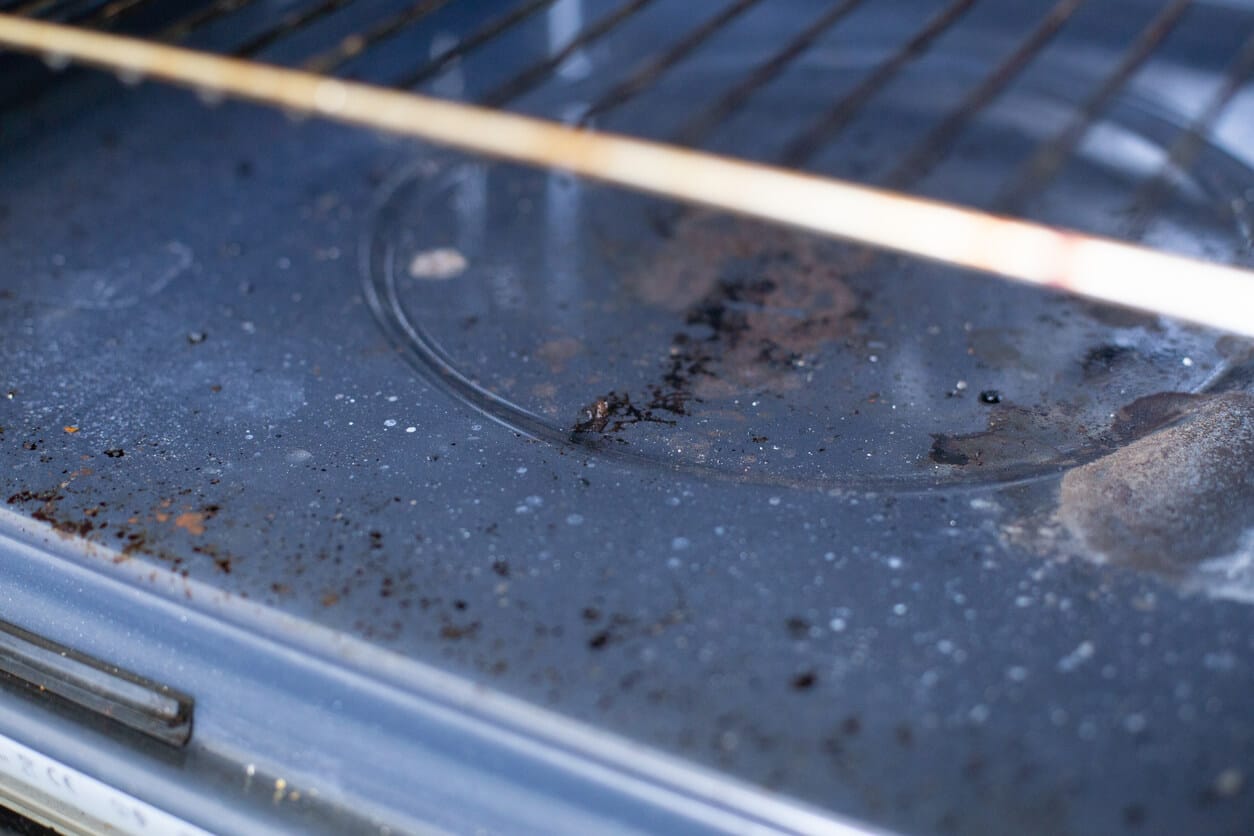
- Oven, inside. Racks out and soaked, glass door clear on both sides, including between the panes if it slides apart. This is the number one charged item.
- Range hood and filter. The metal mesh filter comes out and goes in hot degreaser. Almost nobody does this, and inspectors know it.
- Stovetop, including under the burners and the drip pans.
- Refrigerator, inside and out, shelves and drawers removed and washed, door seals wiped, and the coils and floor behind it if it pulls out. Defrost the freezer.
- Dishwasher, filter cleaned, door edges and gasket wiped.
- Microwave, inside, including the ceiling of it.
- Inside every cabinet and drawer, plus the tops of upper cabinets if there is a gap below the ceiling.
- Sink and faucet, drain and garbage disposal, and the seam where the sink meets the counter.
- Backsplash and the wall behind the stove, which carry a film of cooking grease you will only see at an angle.
Bathrooms
- Toilet, including the base, the bolt caps and the floor behind it.
- Shower and tub, walls, door or curtain rail, and the grout.
- Shower glass. Soap film is the standard finding here. If it looks hazy, it is not done.
- Exhaust fan grille, which will be gray with lint.
- Mirror, vanity, inside drawers and the cabinet under the sink.
- Any mildew in caulk or grout corners.
Bedrooms, Living Areas and Hallways
- Inside every closet, shelves, rails and the floor.
- Baseboards, wiped, not just vacuumed.
- Light fixtures and ceiling fans, including the glass bowls, which collect dust and insects.
- Switch plates and outlet covers, which hold finger marks.
- Door tops. Run a finger along the top edge of any door and you will understand why this is on the list.
- Vents and registers.
Windows, Walls and Doors
- Window glass, inside, and the exterior where you can reach it safely.
- Window tracks and sills, vacuumed then wiped. In Seattle these hold a winter of condensation debris.
- Blinds, slat by slat.
- Walls, spot cleaned for marks. Patch nail holes only if your lease requires it, and ask first, because a bad patch job can cost more than the holes.
- Doors and frames, especially around the handles.
Floors
- Vacuum everything, including closets, corners and the edges where the carpet meets the baseboard.
- Mop hard floors, then check the corners and under where appliances stood.
- Carpet, see the section below before you book anything.
Laundry, Storage and Outside
- Washer and dryer, drum, lint trap, detergent drawer, and the floor underneath.
- Balcony or patio, swept, with any moss or leaf debris cleared.
- Storage unit, garage space or shed, emptied and swept.
- Everything removed. Leaving anything behind, even furniture you think the next tenant might want, is a disposal charge.
The Five Places That Cost People Their Deposit
If you are short on time, these are where the money goes.
- Inside the oven and the range hood filter. Grease is unambiguous. There is no arguing it is wear.
- The top of the refrigerator and the floor behind it. Invisible while you live there, obvious when the unit is pulled out.
- Window tracks. Inspectors run a finger along them because they know the answer.
- Baseboards and door tops. Dust at eye level and ankle level, both skipped.
- Inside cabinets and closets. Crumbs in a drawer read as not cleaned at all.
What About Carpet Cleaning?
This one causes more arguments than anything else, so be clear on where you stand.
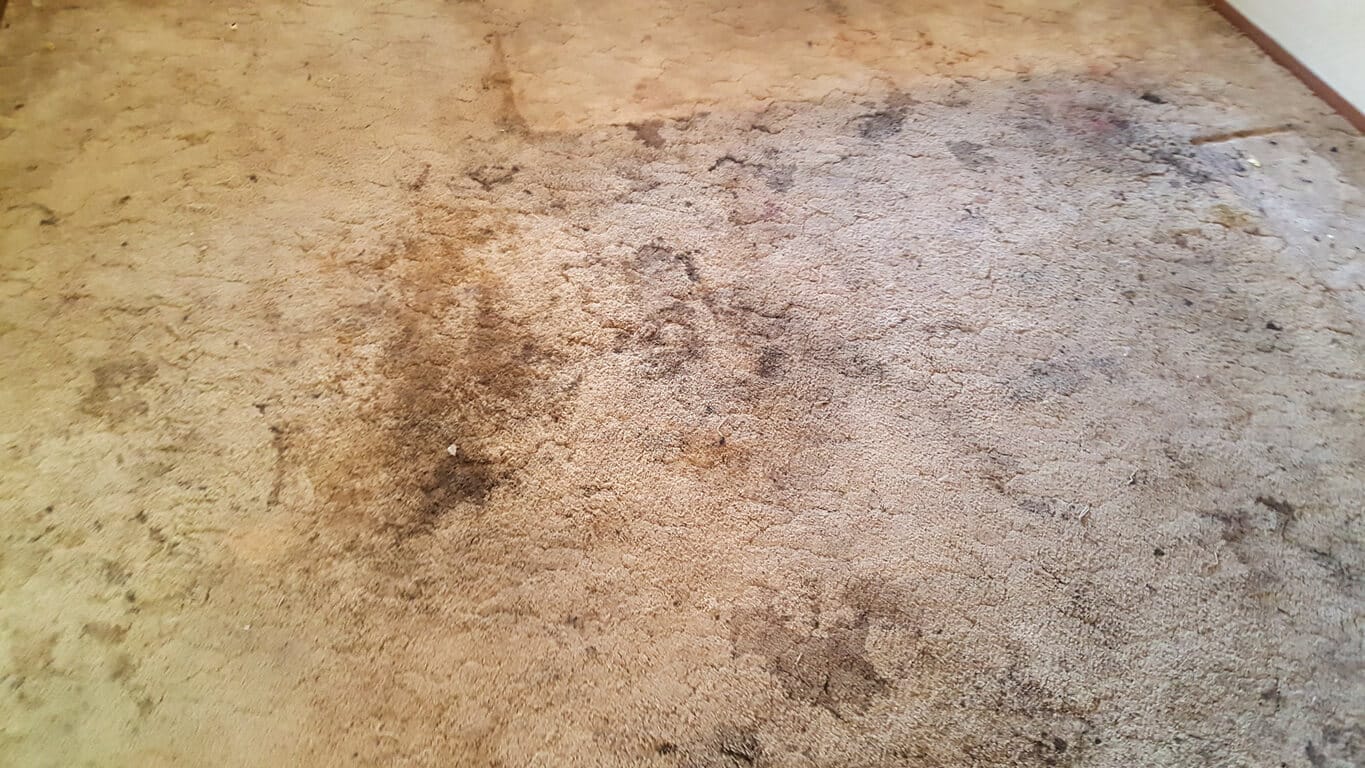
Wear patterns in a carpet along the hallway and in front of the sofa are ordinary use, and they cannot be charged to you. The statute goes further and names carpet cleaning directly: a landlord may not withhold any part of a deposit for carpet cleaning unless they document wear to the carpet beyond what ordinary use produces. A routine carpet cleaning fee deducted from every tenant regardless of the condition the carpet came back in does not meet that test.
What they can charge for is a carpet left in a condition beyond ordinary use, with staining, pet damage or odor, and they need documentation showing it.
If your lease contains a clause requiring professional carpet cleaning at move-out, read it, get it done and keep the receipt. A receipt ends the conversation.
Does a Professional Move-Out Clean Pay for Itself?
Honest answer: it depends on the size of your deposit and how much time you have.
It usually makes sense in three situations. If your deposit is large, which in Seattle it often is, the clean costs a fraction of what a disputed statement can take. If you are moving on a deadline and the keys are due the same day the truck is loaded, the realistic alternative is not a careful clean, it is a rushed one. And if the unit has an oven, a range hood and hard water fixtures that have not been deep cleaned in two years, the gap between a tidy unit and an inspection-ready unit is several hours of unpleasant work.
It makes less sense if you have a full free day, the unit is small, and you kept on top of it while you lived there.
The thing worth knowing is that a move-out clean is scoped differently from a regular visit. It assumes the place is empty and covers inside the oven, inside the refrigerator, inside cabinets and closets, window tracks, baseboards and the rest of the list above, which a standard clean does not. Pricing depends on the size and condition of the home, and a quote takes about a minute.
One note on timing: book it for after the movers are out and before the walkthrough, and make sure the utilities are still on. Cleaning a unit with no hot water and no lights is a bad day for everybody.
Your Move-Out Week Timeline
- Two weeks out: find your move-in checklist and read your lease for cleaning and carpet clauses. Book your move-out cleaning now if you want one, because the end of the month fills up.
- Moving day: everything out, including the storage unit and the balcony.
- After the truck leaves: the clean, top to bottom, floors last.
- Before you hand over the keys: photograph every room, every appliance inside and out, and the floors. Date-stamped.
- At handover: give your landlord a correct forwarding address in writing. Without one they can send the statement to your last known address, which is the unit you just left.
If Your Deposit Is Withheld Unfairly
If the 30 days pass with no refund and no itemized statement, or the statement charges you for things that are plainly ordinary use, you have options.
Start with a written demand, sent certified, asking for the refund and referencing the date you moved out. Many disputes end there, because the landlord knows the documentation requirement is on them.
If that fails, small claims court in Washington handles claims up to $10,000 for an individual, and the filing fee in King County is $50. No lawyer is required. Where a landlord intentionally failed to meet the deadline, a court can award up to twice the deposit.
Seattle also runs a renter helpline through Renting in Seattle on 206-684-5700, which is free and a sensible first call if you are unsure where you stand.
None of the above is legal advice. It is a summary of publicly available rules, written by Simply Clean, and your situation may have specifics that change the answer.
Frequently Asked Questions
How long does a landlord have to return a deposit in Washington?
30 days from the day you move out. Within that window they must either refund the deposit in full or provide a written statement specifying what is being kept and why, with documentation of the costs. The only exception is if circumstances beyond the landlord's control prevented them from meeting the deadline.
Can my landlord charge me for cleaning in Seattle?
Yes, if the unit is returned dirty. No, for wear resulting from ordinary use, and no if you were already charged a cleaning fee when you moved in. Grease, staining and built-up grime are cleaning. Faded paint, scuffed linoleum and carpet wear patterns are not.
Is carpet cleaning deductible from a deposit in Washington?
Not automatically. RCW 59.18.280 bars withholding any part of a deposit for carpet cleaning unless the landlord documents wear to the carpet beyond ordinary use. Normal wear patterns cannot be charged to you. If your lease specifically requires professional carpet cleaning, get it done and keep the receipt.
What counts as normal wear and tear in a Washington rental?
Deterioration from living in the place normally: faded paint, minor scuffs, small nail holes, worn carpet along walking routes, aging appliances, loose hinges. Damage from negligence, misuse or accident is different, and so is dirt.
What if my landlord never gave me a move-in checklist?
Washington law does not allow a deposit to be collected at all without a written rental agreement and a signed written checklist describing the condition of the unit. If no checklist was provided, the landlord is liable to you for the amount of the deposit. The checklist also limits charges for fixtures and appliances whose condition it did not document. Contact the Renting in Seattle helpline on 206-684-5700 if this applies to you.
How long does a move-out clean take?
Typically three to five hours for an average home, depending on size and condition, and it is scoped for an empty unit, so it covers inside the oven, inside cabinets, window tracks and baseboards that a regular visit does not.
The Short Version
Find your move-in checklist, clean the five things nobody cleans, photograph everything, and give them a forwarding address in writing. Most withheld deposits come down to grease in a kitchen and dust in a window track, both of which are entirely within your control in an afternoon.
If you would rather hand it over, a move-out clean is built for exactly this inspection. Simply Clean has connected renters and homeowners across Seattle and the Eastside with vetted, insured independent cleaning professionals since 2008. You can check pricing or get a move-out cleaning quote in about a minute.
Moving into a new place at the same time? The move-in clean is the other half of the same week.